Previously on my note:
"something that’s been on my mind lately, when I was building the production house before, there were days where I genuinely felt like I wasn’t doing anything--while doing everything at the same time.

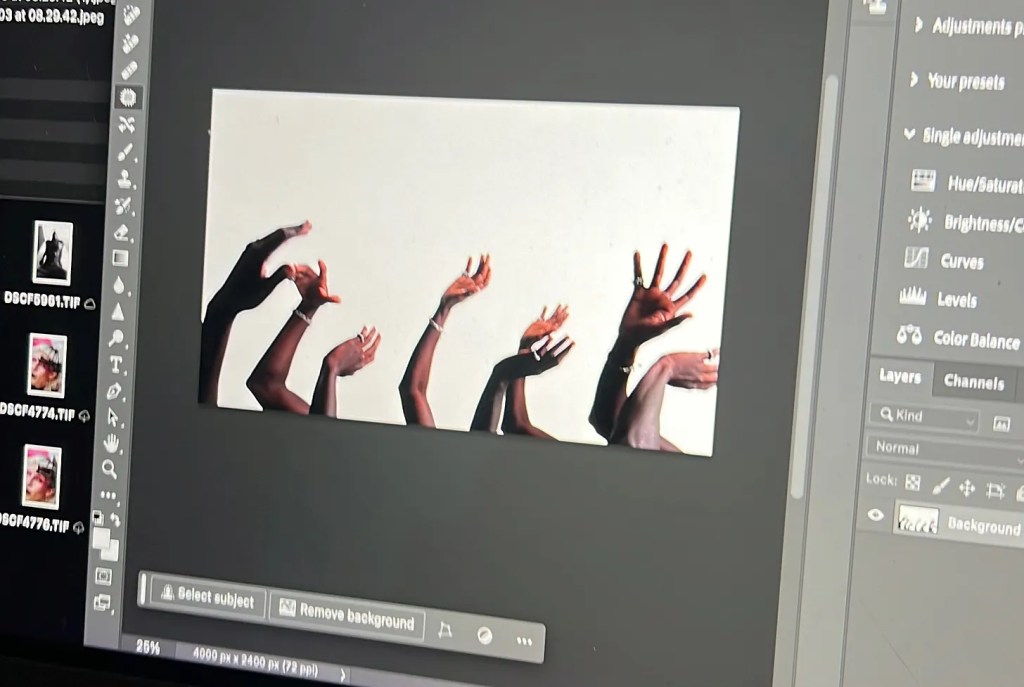
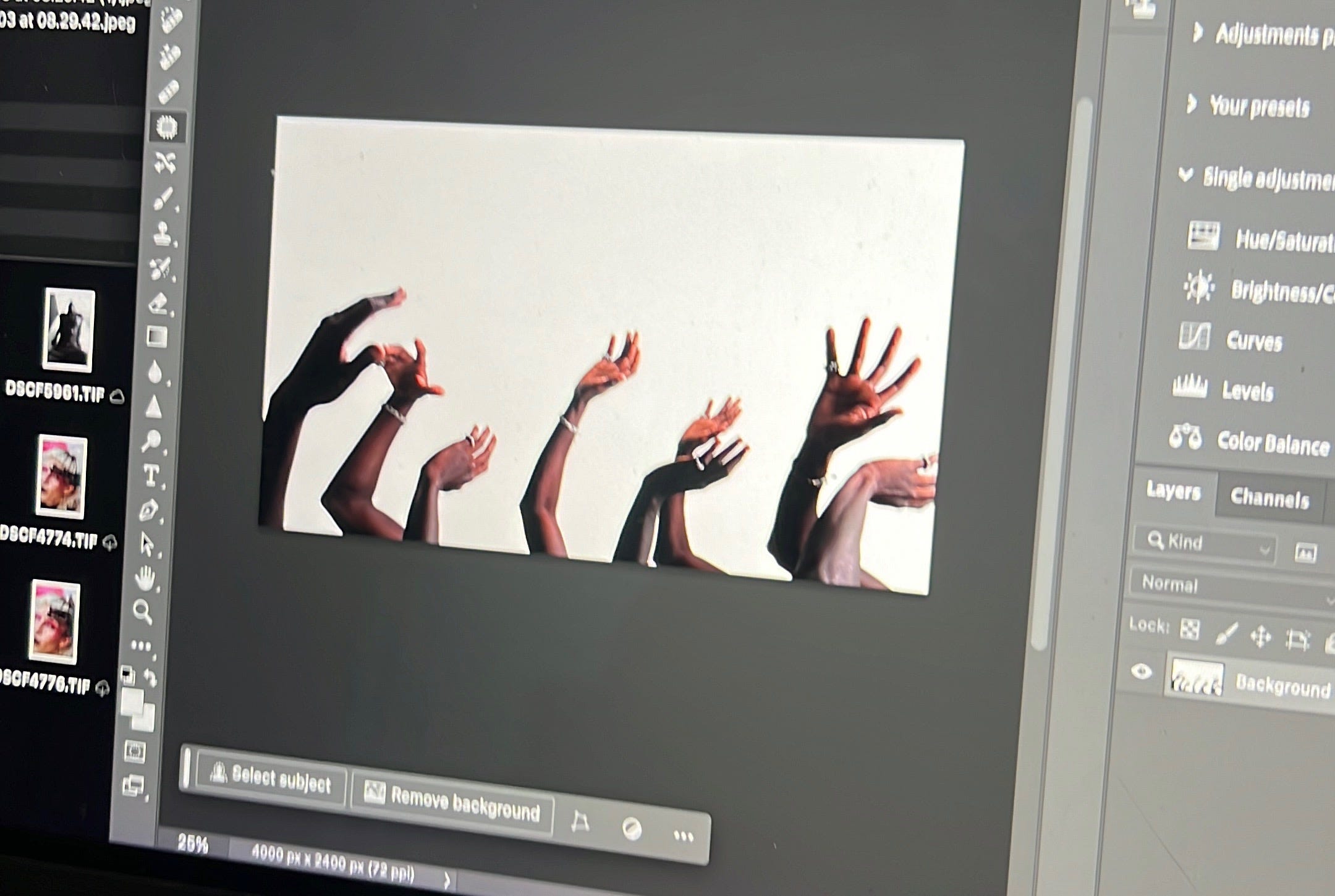
I wasn’t holding the camera, but I was editing.
I wasn’t posting, but I was organizing files.
I wasn’t the one in front of the client, but I was building a system.
I wasn’t posting, but I was the one planning the posts.

at that time, it almost felt like I wasn’t “working” because nothing tangible came out of it.

but the older I get, the more I realize...

the presentation takes one hour.
the strategy behind the presentation took three weeks.
the references takes 3 hours to approve.
the thinking behind the moodboards took fifty conversations.

creative work is strange because people only see the final artifact when in my opinion, the real value often lives in the invisible decisions nobody notices."
When I was building…let’s call it the A company, there was a period where I constantly felt guilty.
Not because I wasn’t working.
But because I couldn’t see my work.
I wasn’t behind the camera…but I was up thinking strategy until 3 a.m.
I wasn’t the one bringing in client…but I was the one planning the posts.
My days were filled with conversations.
Sometimes replying to clients, most of the time delegating tasks to my team.
There’s another team in charge for pre-productions, but the planning for my own (video) shoot I handled myself; the making of storyboards, etc.
Organizing folders.
Finding editors.
Managing timelines.
Making sure I meet deadlines.
Taking care of the outputs.
Clarifying expectations.
Trying to prevent problems before they happened.
By the end of the day, I would feel exhausted.
Yet when someone asked what I had accomplished, I struggled to answer.
Nothing much existed that I could physically point to and for a long time, I mistook visibility for value.
“If I couldn’t see the output, maybe I hadn’t really worked.”
I know now that I was wrong.
Because what I couldn’t see was exactly what allowed everyone else to do their jobs well.
The shoot ran smoothly because someone had already made the story beforehand.
The client felt confident because someone already had an answer to the questions they haven’t even asked yet.
The editor worked faster because someone had already organized the assets.
The team communicated better because someone had already designed a process.
The work happened long before the work became visible.
And that’s a difficult thing to explain.
People naturally evaluate what they can see.
A finished campaign.
A viral post.
How many clients did you bring in?
Very few people ask about the hundreds of invisible decisions that quietly supported them.
Sometimes trying to explain invisible work feels like asking a lake to show exactly how its water was made.
You can stand at the edge and see the surface,
You can measure its depth.
You can admire its reflection.
But much of the water arrived through underground rivers, unseen currents, and rainfall that happened long before you got there.
If you can’t see those things, does that mean the lake created itself?
Of course not.
It simply means the most important work happened somewhere your eyes couldn’t reach.
I think the same is true for creative work, or any work at all.
The presentation takes an hour.
The thinking behind it might take weeks.
A meeting lasts thirty minutes, sometimes 6 hours.
The trust that made that meeting productive could have taken months to build.
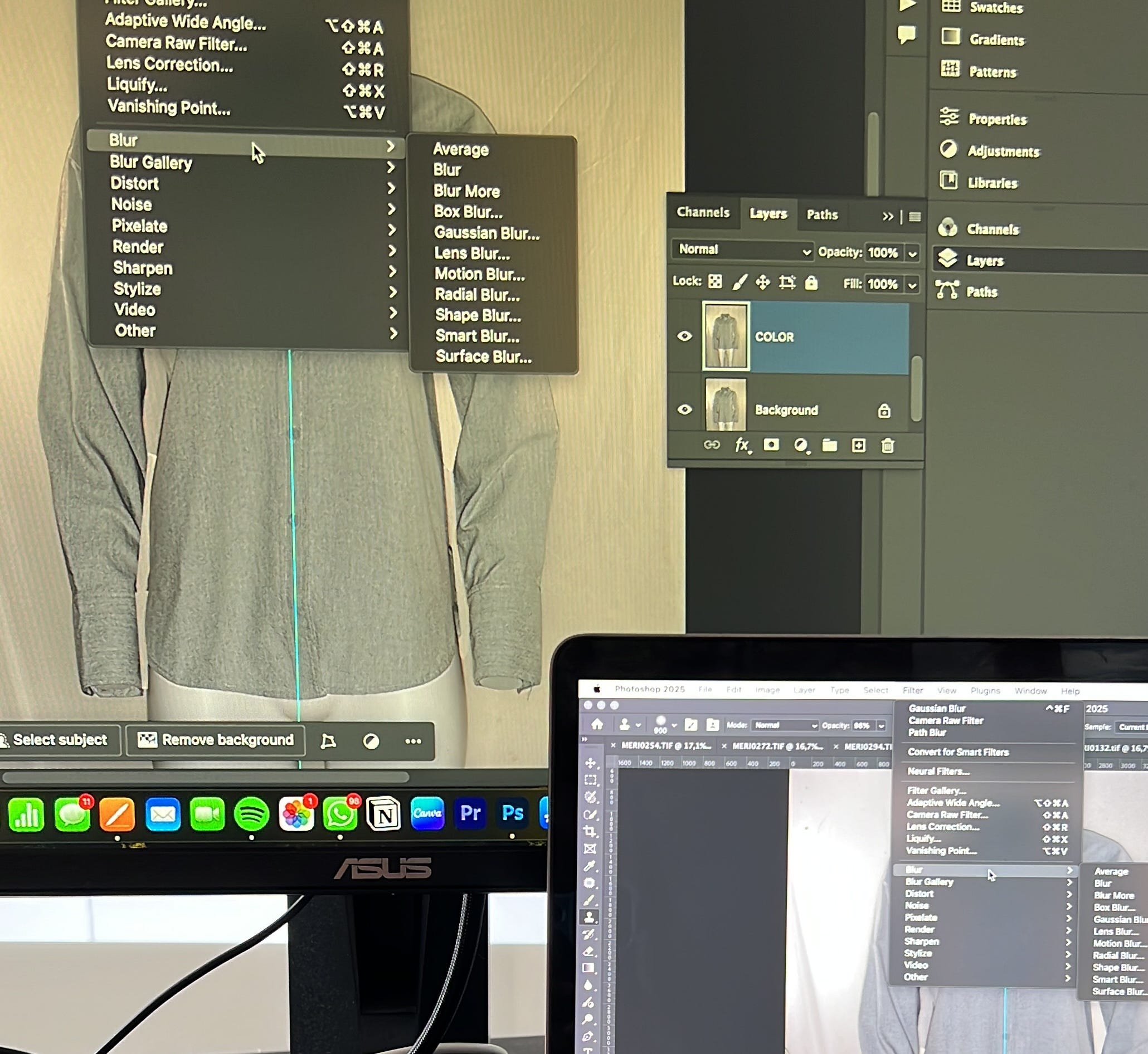
A system looks simple once it exists.
Designing it rarely is.
The irony is that the better the invisible work becomes, the less people notice it.
Good operations feel effortless.
Good communication feels natural.
Good leadership feels obvious.
The absence of friction tricks us into believing there was never anything preventing it in the first place.
And maybe that’s why invisible work is so difficult to value.
Its greatest success is making people forget it was ever necessary.
These days, I don’t feel guilty when I spend an afternoon documenting a process or organizing information.
I no longer see it as time away from creating.
I see it as creating the conditions that allow creativity to happen again tomorrow.
And perhaps that’s what building has slowly become for me.
Not producing one beautiful thing.
But quietly shaping the environment where beautiful things can keep emerging, long after nobody remembers who arranged the room in the first place.
But that’s just my opinion for now. I might still agree with this in the next few years, or I might come back to debunk this theory but either way; still learning. always curious.
– a curious creative
Penny for your thoughts? 🪙


Leave a Reply